



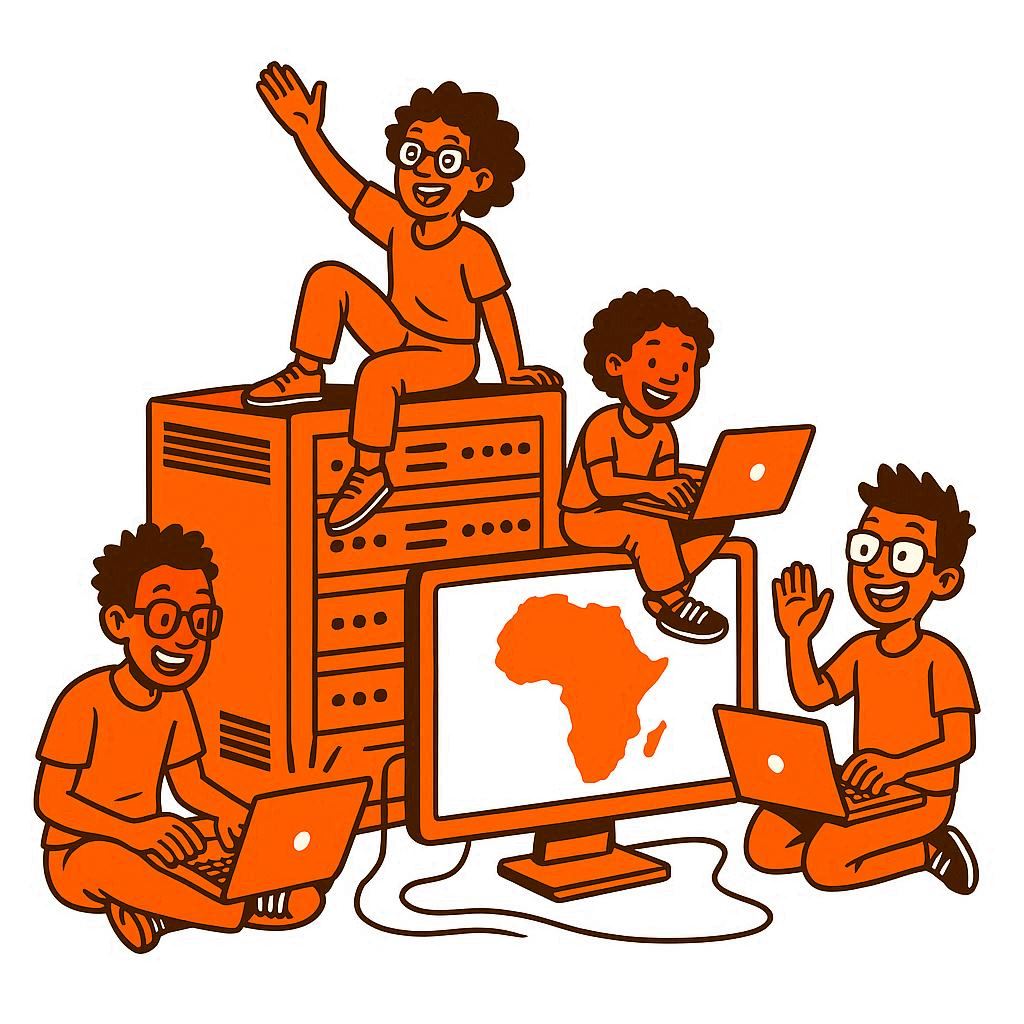
Stop Calling It Informal. It’s Infrastructure.
There’s a story we keep getting told about African businesses.
That they’re behind. That they’re unorganized. That they need to be “digitized” — as if they’ve been sitting in the dark waiting for someone with a laptop and a pitch deck to come save them.
That story is wrong. And honestly, it’s a little embarrassing for the people telling it.
Let’s look at what’s actually been happening.
Your supplier group on WhatsApp with 23 members, daily updates, photos of stock, voice notes confirming deliveries? That’s a procurement system. A real one. It has actors, workflows, communication protocols, and accountability loops. The only thing it’s missing is a dashboard — and even that’s debatable.
M-Pesa confirmations saved as receipts in a separate folder on someone’s phone? That’s a payment tracking system. Built by millions of Kenyans before “fintech” was even a word people used at conferences.
The mama mboga at the corner who greets you by name, already knows you want coriander on Fridays, reminds you that you still owe her Ksh 50 from last week, and hasn’t written any of it down? That’s a CRM — Customer Relationship Management — the same thing companies spend thousands of dollars on software to replicate. She’s running it in her head, in real time, with zero churn.
We didn’t wait for Silicon Valley to hand us a framework. We built one. With what we had. Under real constraints. And a lot of it? Is genuinely brilliant.
So where does tech come in?
Not to replace what’s working. Not to show up with a foreign solution to a problem it doesn’t fully understand.
Tech comes in to ask one question: what does this look like when it scales?
Because here’s the honest limitation of the systems we’ve built — they scale with people, not with infrastructure. The mama mboga’s CRM lives in her memory. The moment she’s sick, travelling, or hands the business to someone else — the system breaks. The WhatsApp procurement group works until the group has 200 suppliers and nobody can find anything. M-Pesa receipts work until you need to file taxes, apply for a loan, or show an investor a 12-month revenue picture.
The system was never the problem. The ceiling was.
That’s where tools like the WhatsApp Business API change everything.
Not because they replace the WhatsApp group — but because they formalize it. They take the logic that’s already there and give it infrastructure.
Stock alert drops below a certain level? Your system sends an automatic message to your supplier. Customer places an order? Automated confirmation, payment request via M-Pesa, delivery update — all inside WhatsApp. The app they already use. The one they trust. The one they don’t need to be trained on.
No one is asking a mama mboga to learn a new platform. The platform is learning to speak her language.
That’s the shift. That’s what good technology does for African businesses — it doesn’t arrive with arrogance. It arrives with respect. It looks at what’s already working and says: let’s give this a foundation it can stand on at 10x the size.
M-Pesa didn’t change how Kenyans thought about money. Kenyans already understood value, trust, and exchange. M-Pesa just gave that understanding better rails to run on.
That’s the model. That’s the template.
The real unpopular opinion isn’t that African businesses need systems.
It’s that they’ve had them all along — and the tech industry is only now catching up.
The question we should be asking isn’t “how do we bring technology to African SMEs?”
It’s “how do we build technology that’s worthy of what African SMEs have already built?”
That’s the standard we hold ourselves to. That’s the conversation we’re here to have.