The Guide Nobody Hired. The One Everyone Called.
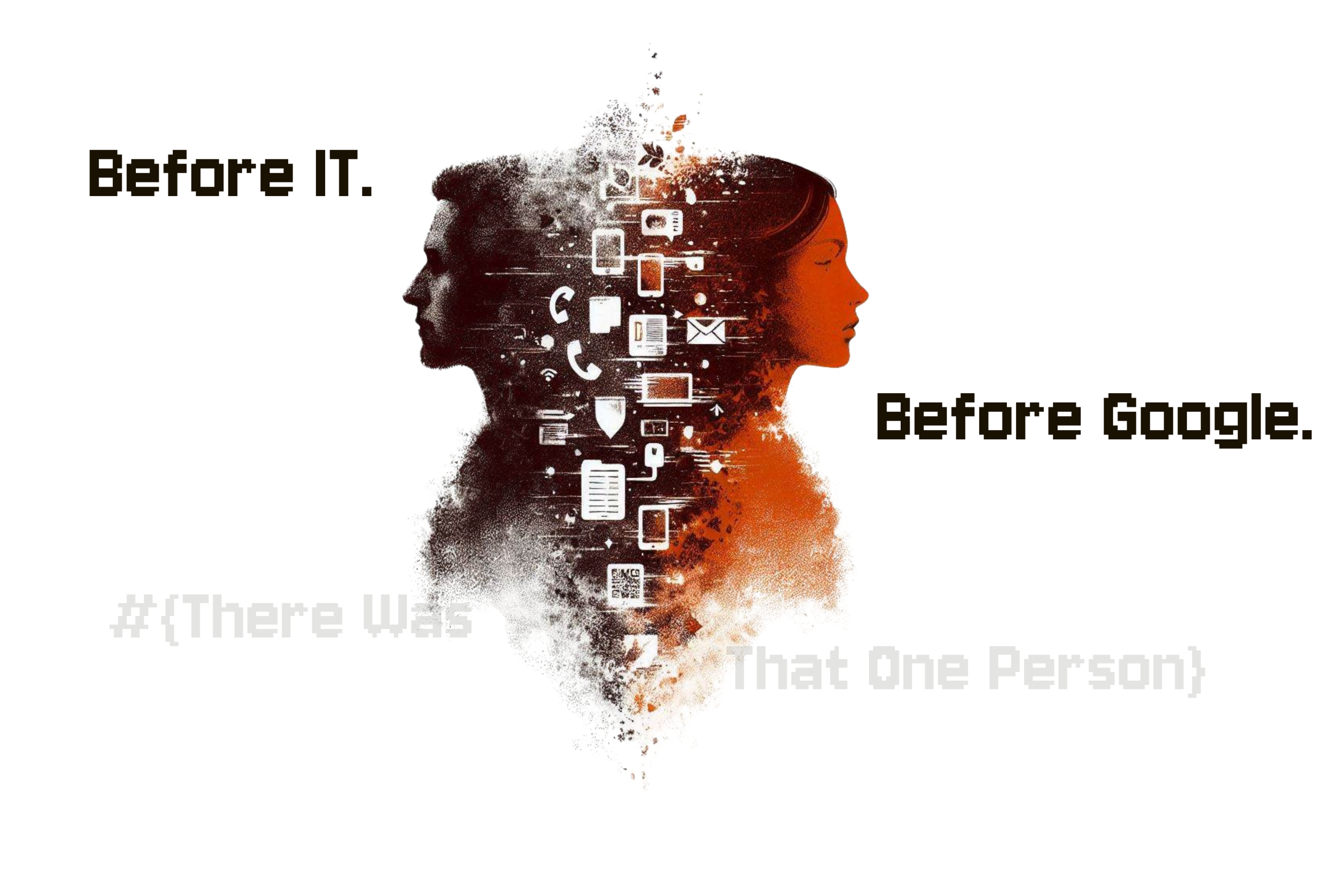
Before there was a company. Before there was a website. Before “tech consultant” was something anyone put on a bio.
There was just that one person everyone called.
Phone acting up? Call them. Building a PC and don’t know which parts work together? Call them. New console, game won’t install, internet keeps dropping, laptop making a noise it shouldn’t, coding assignment due tomorrow, system crashing at the worst possible time.
Call that person.
They never charged for it. They never had a title for it. They just knew things — and people trusted them with their confusion.
They didn’t realize it then. But they were already doing the most important work in tech.
Not building the most complex system. Not writing the cleanest code.
Being the person who made technology feel less terrifying for everyone around them.
There’s one in every circle.
You know exactly who this is.
Maybe it’s you.
The cousin who everyone’s WhatsApp messages go to when the phone does something strange. The neighbor’s kid who set up the WiFi router and somehow became permanently on call for the whole building. The friend who explains what a scam link looks like — not because they studied cybersecurity, but because they just know. The older sibling who translates tech into language the family actually understands.
They exist everywhere. In every estate. Every office. Every family group chat. Every church. Every school. Every barbershop.
They are informal. Unrecognized. Unpaid.
And they are quietly holding communities together in the digital age.
Here’s what nobody’s saying out loud:
These people are not a workaround. They are not a gap-filler until “real” digital literacy arrives. They are the system.
While governments draft digital inclusion policies. While NGOs design training programs that nobody attends. While tech companies build products for users who already understand them —
The Digital Guide in your neighborhood has already solved the problem. Practically. Personally. For free.
The question isn’t how do we create digital literacy in African communities.
The question is — why haven’t we built around the people already delivering it?
The three things a Digital Guide does that no app or campaign can replicate:
They speak the right language. Not just Swahili or English or ‘zetuzetu‘ — though that matters enormously. But the language of trust. When someone doesn’t understand why their phone keeps showing ads for things they never searched for — they’re not going to read a government pamphlet about data privacy. They’re going to ask the person they already trust. The one who has never made them feel stupid for not knowing.
They meet people where the confusion actually lives. Digital literacy campaigns happen in classrooms and community halls. Confusion happens at the dinner table at 9pm when someone clicks a phishing link and doesn’t know what just happened. The Digital Guide is already there. In the group chat. A phone call away. Present in the moment the problem is real — not two weeks later at a scheduled workshop.
They make it feel like home. This is the one that matters most and gets talked about least. Technology has a confidence problem. Not a capability problem. Most people who struggle with tech are not incapable — they have been made to feel incapable. By interfaces that assume too much. By people who explain things with impatience. By a culture that treats not knowing as embarrassing.
The Digital Guide fixes this not through curriculum — but through relationship. When someone who knows you explains something — you don’t feel judged. You feel helped. That feeling is the foundation of digital confidence. And you cannot manufacture it with an app.
So what would it look like to take this seriously?
Not to replace the informal system — but to give it a foundation it can stand on at scale.
Imagine this:
A lightweight certification. Not a degree. Not a course that costs money and takes months. A structured set of basics — how to spot phishing links, how to explain data privacy simply, how to help someone set up two-factor authentication, how to identify a fake website — that a Digital Guide can learn in a weekend and carry as a genuine credential.
A support network. A WhatsApp group — because of course it’s a WhatsApp group — where Digital Guides across a city can share new scams circulating, new tools worth knowing, new questions they’re being asked that they don’t yet have answers to. Peer learning. No hierarchy. Just people who give a damn about their communities helping each other stay sharp.
Recognition. From local businesses. From schools. From community organizations. Not necessarily payment — though that would be ideal — but acknowledgment that this role is real, valuable, and worth investing in. A Digital Guide who is known and trusted in their neighborhood is an asset to every business operating in that neighborhood.
A home base. Somewhere — online and offline — where this community lives. Where guides share what they’re learning. Where people who need help can find a guide near them. Where the culture of shame-free tech help is the standard not the exception.
This is not a pipe dream.
Every single piece of this already exists informally. The guides are there. The trust is there. The need is there. What’s missing is structure. Recognition. And someone deciding this is worth building.
At Beyond Geeks & Voyage this is one of the ideas we keep coming back to. Not because it’s the most technically complex thing we could build. But because it might be the most important.
Tech should feel like home for everyone. Not just the people who already speak its language.
And the people best positioned to make that happen aren’t in Silicon Valley.
They’re already in your neighborhood. Already answering the calls. Already doing the work.
We just need to call them what they are.
Digital Guides.
Is this you?
Have you always been that person — before you even had a name for it? Before anyone called it a skill. Before it was something you put on a CV.
You were just the one who showed up. The one who made it make sense. The one who made people feel like they could handle it.
That was never small. That was everything.
This is the conversation we’re starting. The voyage continues. 🔥